

The Cultural Moments Defining Summer 2026
Summer has always been a season of cultural spectacle. Major sporting events, music festivals, blockbuster films and public celebrations compete for attention, producing the images and stories that come to define a particular year. In 2026, however, the most significant cultural moments reveal something broader about the way popular culture is changing. The boundaries between sport, entertainment, fashion, technology and celebrity have become increasingly difficult to identify.
- The World Cup as a Global Cultural Event
- Sport Becomes Part of the Fashion Calendar
- Festivals Offer an Alternative to Digital Abundance
- Cinema Competes to Create the Summer’s Biggest Moment
- Gaming and Esports Continue Their Expansion
- Cities Become Cultural Platforms
- The Search for Shared Experiences
- Culture Without Clear Boundaries
- A Summer Defined by Shared Attention
The result is a cultural landscape in which major events are rarely confined to their original purpose. A football tournament becomes a global entertainment platform. A tennis championship becomes a fashion occasion. A music festival becomes a tourism economy. A major film release becomes a test of whether cinemas can still create genuine mass audiences. The defining moments of summer 2026 demonstrate that cultural influence increasingly belongs to events capable of bringing different audiences together.
The World Cup as a Global Cultural Event
The 2026 FIFA World Cup is the largest sporting event of the summer, but its influence extends far beyond football. The tournament brings together sport, music, tourism, advertising, fashion and entertainment on an extraordinary scale.
Football shirts have become part of mainstream fashion, while players increasingly operate as global celebrities with audiences extending far beyond traditional sports supporters. Brands use major matches to launch campaigns, musicians perform at tournament-related events, and host cities become temporary centres of international culture.
The World Cup demonstrates how major sporting competitions have evolved into cultural platforms. The matches remain the central attraction, but the conversations surrounding the tournament increasingly involve identity, migration, national representation, celebrity and commerce.
Sport Becomes Part of the Fashion Calendar
The relationship between sport and fashion is particularly visible during the summer calendar. Events such as Wimbledon are no longer covered exclusively through the results on the court.
The clothing worn by athletes, celebrities and spectators has become part of the event itself. Luxury brands host dinners and promotional events around major tournaments, while athletes develop commercial identities that allow them to move between professional sport and the fashion industry.
This development reflects a larger transformation in celebrity culture. Athletes now possess enormous international audiences and can influence fashion trends, advertising campaigns and consumer behaviour. Sport has become one of the most powerful distribution systems for popular culture.
Festivals Offer an Alternative to Digital Abundance
Summer 2026 also highlights the continued importance of festivals and live cultural events. The Edinburgh Festival Fringe once again transforms Edinburgh into a temporary cultural capital, bringing together performers, audiences, producers and critics.
The popularity of festivals is particularly significant because entertainment has never been easier to access digitally. Audiences can watch films, concerts, comedy and television without leaving their homes. Yet millions of people continue to travel considerable distances and spend significant amounts of money to attend live events.
The explanation lies partly in the value of participation. Digital entertainment is unlimited and permanently available. Live events are temporary and unpredictable. A performance happens at a particular moment, in a particular place, among a particular group of people. That scarcity has become increasingly valuable in a culture dominated by endless digital content.
Cinema Competes to Create the Summer’s Biggest Moment
For much of the twentieth century, the summer blockbuster was one of the most reliable institutions of popular culture. A small number of films could dominate international attention, producing characters, images and quotations recognised by enormous audiences.
The entertainment environment of 2026 is considerably more fragmented. Cinemas compete with streaming platforms, social media, gaming, live sport and countless other forms of entertainment. The challenge for studios is no longer simply convincing audiences to watch a film. They must persuade people that watching it immediately is culturally important.
This has increased the significance of event cinema. Major productions are designed not only as films but as cultural occasions capable of generating conversation, merchandise, online communities and international publicity.
The films that define the summer will therefore be those capable of creating urgency. In an environment where almost everything can be watched later, cultural influence increasingly depends on giving audiences a reason to participate now.
Gaming and Esports Continue Their Expansion
Competitive gaming has become another important part of the international cultural calendar. Large esports tournaments attract global audiences, major sponsors and increasingly sophisticated entertainment programming.
The significance of esports extends beyond audience numbers. An entire cultural infrastructure has developed around competitive gaming. Players become international personalities, cities compete to host tournaments, streaming platforms distribute competitions globally, and fashion and music companies collaborate with gaming organisations.
For younger audiences in particular, the traditional distinction between digital culture and mainstream culture is becoming increasingly irrelevant. Gaming, music, fashion, sport and online entertainment exist within the same cultural environment.
The continued growth of esports during summer 2026 illustrates how quickly new cultural institutions can emerge when audiences, technology and commercial investment converge.
Cities Become Cultural Platforms
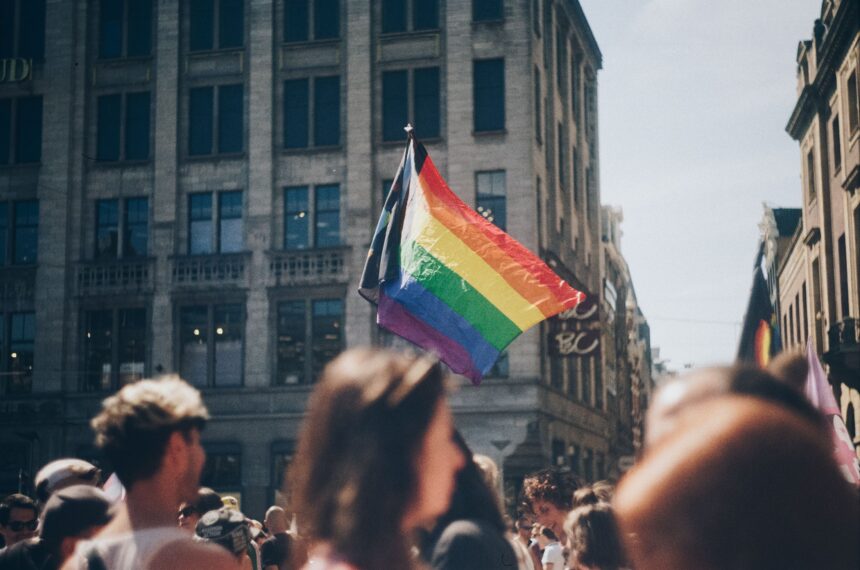
Another defining feature of summer 2026 is the role of cities as hosts of major cultural experiences. Festivals, sporting competitions, Pride celebrations, exhibitions and concerts temporarily transform urban spaces.
Events such as WorldPride Amsterdam 2026 demonstrate how entire cities can become participants in cultural events. Streets, public squares, museums and commercial spaces become part of the programme.
These events generate tourism and international attention, but they also create debates about accessibility, commercialisation, security and the impact of large visitor numbers on local communities.
The modern cultural event therefore extends far beyond the stage, stadium or exhibition hall. Increasingly, the city itself becomes part of the experience.
The Search for Shared Experiences
Perhaps the most important theme connecting the cultural moments of summer 2026 is the continuing demand for collective experiences.
Modern audiences live within highly personalised media environments. Streaming platforms recommend different programmes to different viewers. Social networks create individual feeds based on personal interests and previous behaviour. The result is an entertainment culture offering almost unlimited choice but relatively few moments of genuinely shared attention.
Major cultural events temporarily reverse that fragmentation. Millions of people watch the same football match. Thousands attend the same festival. Audiences discuss a major film during the same weekend. Crowds gather in city centres for public celebrations.
These events create temporary communities around a shared experience. Their significance may be increasing precisely because they have become less common.
Culture Without Clear Boundaries
The defining cultural moments of summer 2026 demonstrate that the traditional boundaries separating entertainment industries are disappearing.
Sport has become closely connected to fashion and celebrity. Gaming has developed the institutions and audiences traditionally associated with professional sports. Festivals have become important parts of tourism economies. Cities operate as cultural brands. Films compete not only with other films but with every event capable of attracting public attention.
The cultural organisations that succeed in this environment are increasingly those capable of operating across several worlds simultaneously. A sporting competition becomes an entertainment franchise. A festival becomes a destination. An athlete becomes a media personality. A city becomes a stage.
A Summer Defined by Shared Attention
The most important cultural moments are not necessarily those that generate the largest number of views or the most online discussion. They are the events that briefly create a sense of shared attention in an increasingly fragmented media environment.
Summer 2026 provides many examples: international sporting competitions, major festivals, cinema releases, public celebrations and gaming tournaments. Each offers audiences an opportunity to participate in something larger than their individual media consumption.
This may be the central paradox of contemporary culture. Audiences have access to more entertainment than any previous generation, yet the experiences that acquire the greatest cultural significance are often those that temporarily narrow our attention.
For a match, a performance, a film or a festival, millions of people choose to pay attention to the same thing.
In 2026, that ability to create a shared moment may be one of the most valuable forms of cultural influence.